
In our previous legal update last month, we outlined language included in one of the appropriations bills which was passed in connection with ending the historic government shutdown. The package contained language that, among other things, recriminalized synthetic or artificially derived cannabinoids and products containing more than .4 mg of total THC combined with any other cannabinoids determined by the FDA to have a similar effect as THC per “container.” These provisions would not take effect for 365 days from the signing of the reopening package, which provides time for reconsideration by lawmakers.
Major Changes Ahead for the Hemp Industry: 365-Day Countdown Begins Following Government Shutdown Deal
In the wake of the recent government shutdown, significant changes are on the horizon for the hemp industry. As detailed in a legal update from Husch Blackwell, the congressional package to reopen the government, signed into law on November 12, 2025, includes provisions that will dramatically reshape the legal landscape for hemp-derived products—though these changes
The Devil Is in the Details, and So Is the Gross Margin: How Detailed Regulatory Strategy Can Make or Break Investment for Early-Stage Hemp Beverage Brands
Hemp-derived THC beverages comprise one of the fastest-growing beverage categories in the United States right now. With Circle K and Target recently announcing market entry the industry is quickly reaching mainstream status and creating interest for more brands to enter the space. At the same time states across the country are quickly enacting legislation to regulate these products in vastly different ways, creating a unique set of challenges for early-stage companies.
Minnesota and Lower Potency Hemp Edibles

On the heels of the 2018 Farm Bill, some states have opted to regulate hemp-derived cannabinoid consumer products. One of the early movers in this area is the State of Minnesota. The regulations in Minnesota for hemp-derived cannabinoid products (as well as licensing for them) are changing, with licensing opening up this fall. Interestingly, Minnesota has adopted a sort of hybridized cannabis and hemp program, in which cannabis licensees can also access and sell “lower-potency hemp edibles” (“LPHE”) made outside of the heavily regulated cannabis license supply chain.
When Less Isn’t More: the Texas Hemp Ban and the Risks of Unregulated Markets

Late Wednesday evening the Texas House of Representatives dealt the hemp industry in the Lone Star State what can only be described as a Texas size heartache with the passage of Senate Bill 3 (SB3), effectively banning all hemp derived products containing THC and placing significant restrictions on non-intoxicating hemp products. The state of Texas has seen exponential growth in the sale of hemp derived products in reliance on the 2018 Farm Bill and 2019 bipartisan legislation meant to bolster Texas agriculture, each leaving significant ambiguity with respect to hemp derived products. Hemp derived products in various forms and concentrations have flourished largely due to a lack of restriction in Texas. As the industry continued to grow a lot of brands and operators doubled down in the hopes that everything truly would be “bigger in Texas” rendering the industry essentially too big to fail. Arguably that may be the case with some estimating the passage of SB3 places 6,300 small business, 40,000 jobs and $4 billion in retail at risk.
Is Alcohol-Style Federal Regulation Coming for THC Beverages?
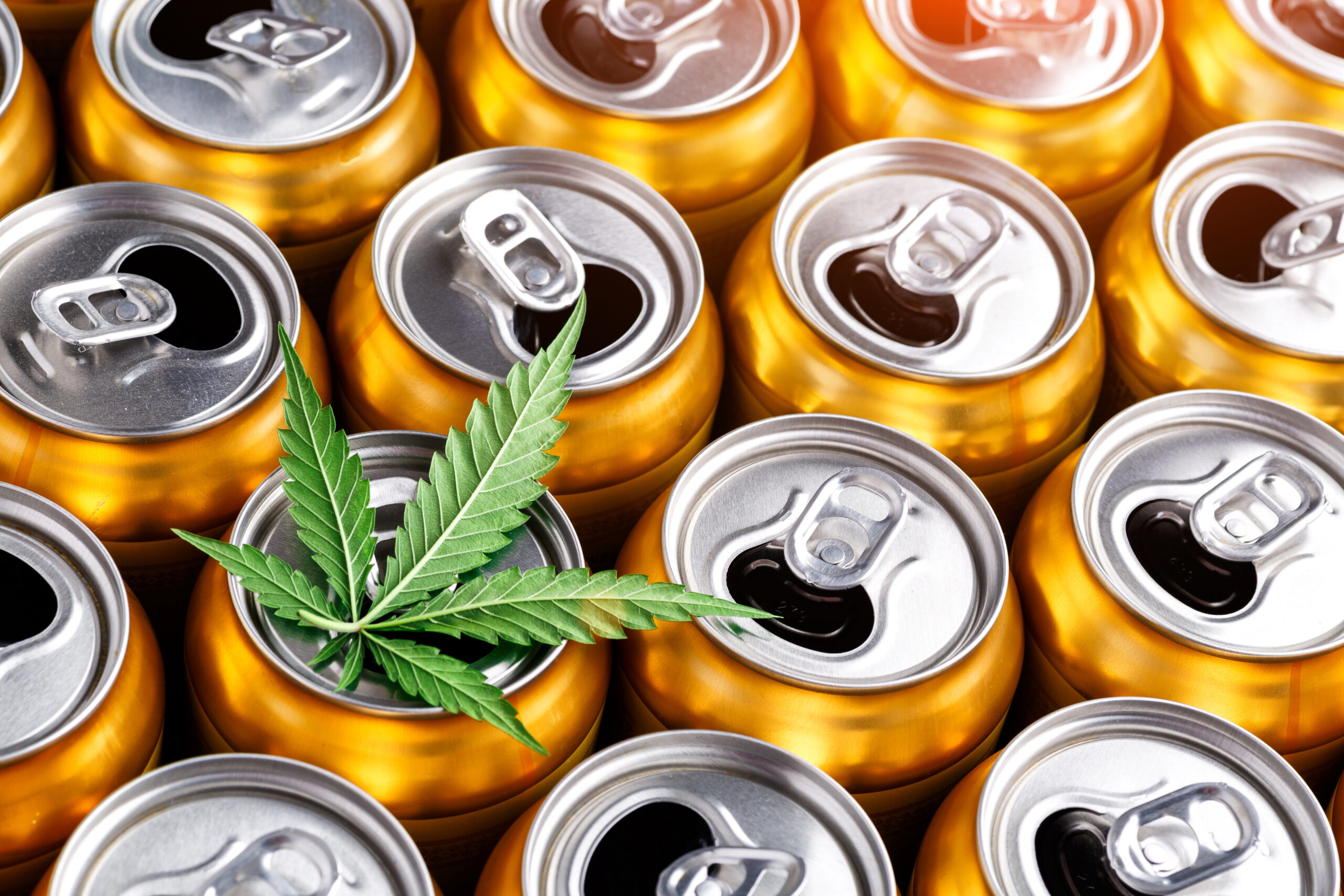
Unless you’ve been living under a rock, you know that “THC beverages” derived from hemp have exploded across America (at least in states where they are allowed by law). Time and again, due to the legal ambiguities and limitations posed by the 2018 Farm Bill, the THC beverage industry has advocated for regulation at both the state and federal levels. While certain states are eager to regulate this segment of the cannabis industry (see Minnesota, for example), others are not, and Congress has yet to take meaningful action on regulation.
THC Beverage Makers and Distributors: Top 5 Concerns for 2025
In the past couple of weeks, I have been contacted by a few major news outlets about the legality of “THC beverages”. While it sounds like you can only find these products in a state-licensed cannabis dispensary, reporters are calling me about hemp-derived THC beverages that are cropping up for sale online and in major liquor stores across the country. Hemp-derived THC beverages are alcohol-free/non-alcoholic (“AF/NA”) drinks that are infused with delta-9 THC derived from hemp, usually along with other intoxicating cannabinoids, so that these beverages produce psychoactive effects without legally being dubbed “marijuana.”
How?
Intoxicating Hemp in Wisconsin
America’s Dairyland does not currently have any form of either medical or adult-use cannabis. The state has tried and failed at least a couple of times on convening medical cannabis legislation (see here on the latest attempt earlier this year). At the same time, Wisconsin is surrounded by three states that have both medical and adult-use cannabis programs (Minnesota, Illinois, and Michigan), with Canada to the north, which legalized cannabis in 2018.
Minnesota Cannabis Update: What’s Next?
As the 2024 Minnesota Legislative Session came to a chaotic close on May 20, numerous changes to Minnesota Statutes Chapter 342 were sent to the Governor’s desk to build on the already existing cannabis regulatory structure. On May 24, Governor Tim Walz signed the amendments to Chapter 342, which address social equity provisions, preapproval process for social equity applicants, the larger application and licensing process, and consumer safety.

Hemp Production on the Upswing – Is Intoxicating Hemp the Main Driver?
Hemp Production and Prices Increase
Earlier this year, hemp was included in the USDA’s Census of Agriculture. When hemp was first legalized in 2018, there was a boom in production under the fervor of new opportunities, spearheaded by the demand for CBD products. This resulted in over production and over supply. The CBD market was over-saturated within a growing season and hemp biomass prices plummeted, along with hemp production. More recently, however, hemp production has leveled out and is even increasing as reported by the USDA on April 17, 2024. As an example, prices for hemp outdoor-grown flower are up 35% and hemp clone and transplant prices are up 61%.