In an article published in Marijuana Venture, Husch Blackwell attorneys Nicole Bashor, Steve Levine and Matt Kamps analyze cannabis-centric patent data to see if patents and applications are continuing the rising trend. They also discuss how the current political landscape and the global health crisis could impact the cannabis industry. Read more in

On August 20, 2020, the Drug Enforcement Administration (“DEA”) published an Interim Final Rule on industrial hemp and hemp derivatives (the “Interim Rule”), which immediately went into effect, to conform DEA regulations with the Agriculture Improvement Act of 2018 (the “2018 Farm Bill”).

As we previously discussed, the 2018 Farm Bill effectively removed industrial hemp from the definition of “marijuana” in the Controlled Substances Act (CSA). Additionally, tetrahydrocannabinols contained in industrial hemp, such as Cannabidiol (commonly known as CBD), were also removed from the purview of the CSA.

In our previous posts,[1] we discussed why state-legal medical and recreational marijuana businesses are likely not eligible to receive federal financial assistance under the Paycheck Protection Program due to the fact that these businesses are inherently engaged in federally illegal activities.

While our view has not necessarily changed, this post is intended to highlight

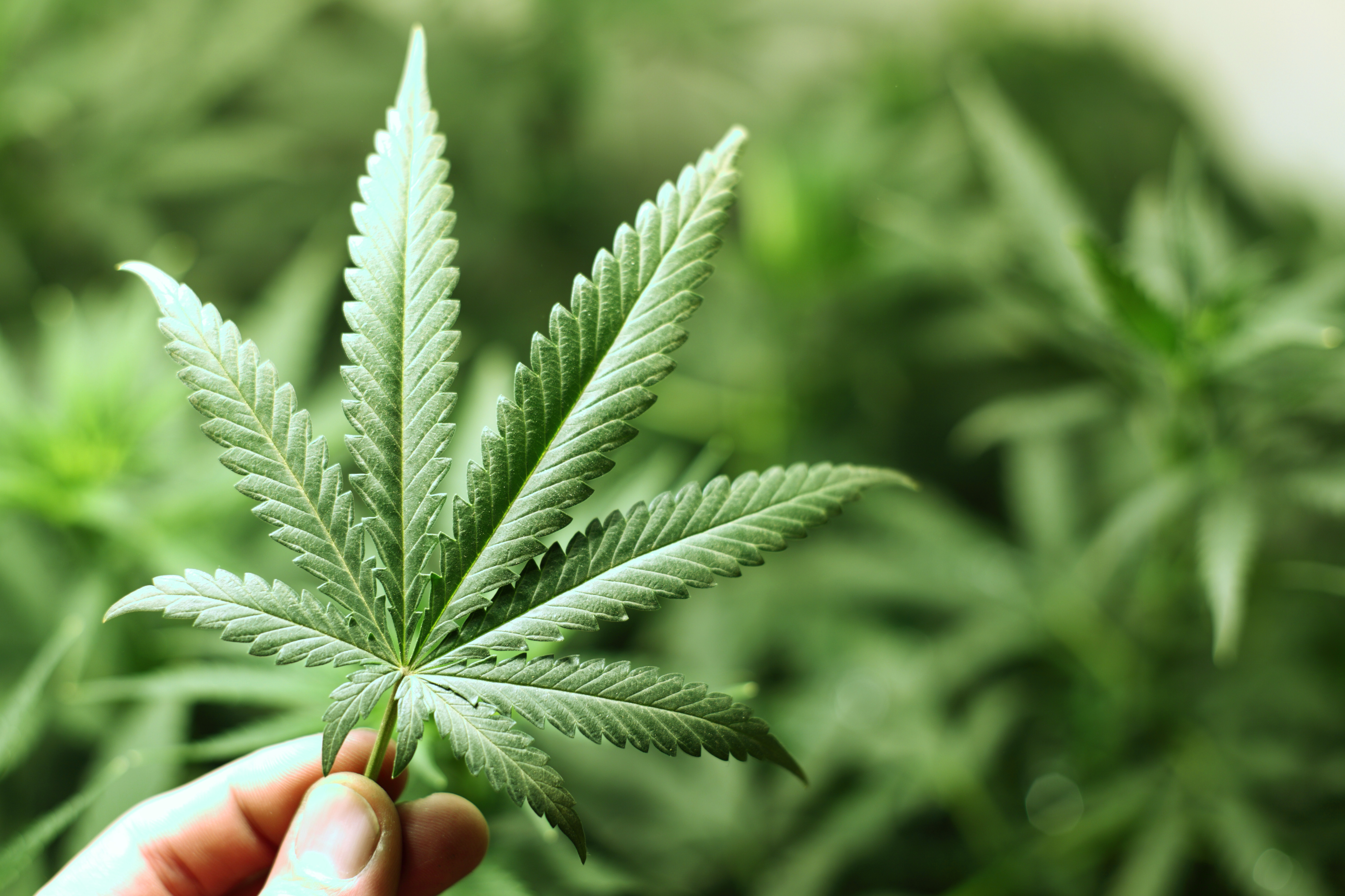
bright green marijuana plant

On Thursday April 23, 2020, Representatives Earl Blumenauer (D-OR) and Ed Perlmutter (D-CO) introduced the “Emergency Cannabis Small Business Health and Safety Act” in the House. Blumenauer and Perlmutter have been influential in protecting state-legal marijuana businesses from federal interference, most recently under the 2020 federal appropriations rider.

If passed, the Act would

Different glass bottles with CBD OIL, THC tincture and cannabis leaves on yellow background. Flat lay, minimalism. Cosmetics CBD oil.

In our previous post, we touched on the fact that state-legal medical and recreational marijuana businesses (including indirect marijuana businesses) could not receive federal financial assistance due to marijuana’s continued Schedule I status under the Controlled Substances Act (“CSA”).  While state-legal medical and recreational marijuana businesses have been adversely affected due to government imposed

The below discussion is an analysis of the current legal environment in light of the recent COVID-19 pandemic. This analysis highlights the ability of both medical and retail marijuana businesses to continue operating in light of several emergency orders from the State of Illinois and emergency variances from regulatory agencies. This summary is not a

The below discussion is an analysis of the current legal environment related to the recent COVID-19 pandemic. This analysis highlights the ability of both medical and retail businesses to continue operating in light of several emergency orders from the State of Colorado and emergency rule changes from the Marijuana Enforcement Division (“MED”). This summary is not a legal opinion, but rather perspective and analysis on the current status of such emergency rules and orders. The content provided herein is subject to change as the laws and interpretation of such laws change.

STATE ANALYSIS

Below is a summary of the current status of Governor Polis’ Executive Orders, Colorado Department of Public Health’s (“CDPHE”) Public Health Orders (“PHO”), Emergency Rules, and MED Guidance (the “Releases”) updated as of March 30, 2020.  For ease of reference, at the end of this summary is a link to all applicable Releases.

On Wednesday, March 25, 2020, the United States Senate approved an estimated $2 trillion dollar stimulus package in response to the economic impact of the COVID-19 outbreak. The legislation, formally known as the “Coronavirus Aid, Relief, and Economic Security Act” (or the “CARES Act”), was approved by the Senate 96-0 following days of negotiations.  One of the most highly anticipated provisions of the CARES Act, the “recovery rebates” for individuals, will provide a one-time cash payment up to $1,200 per qualifying individual ($2,400 in the case of eligible individuals filing a joint return) plus an additional $500 for qualifying children. (§6428.2020(a)).  The CARES Act, which remains subject to House approval, also prescribes an additional $500 billon in corporate aid, $100 billion to health-care providers, $150 billion to state and local governments, and $349 billion in small business loans in an effort to provide continued employment and stabilize the economy. The legislation further provides billions of dollars in debt relief on existing loans.

Husch Blackwell’s Steve Levine is pleased to present at the 2020 Regional Conference in St. Louis for the Healthcare Compliance Association. Steve will serve on a panel discussing the state of medical marijuana. The conference provides attendees with a forum to interact with local compliance professionals, share information about compliance successes and challenges, and create