Photo of Former Attorney Hilary Bricken

Former Attorney Hilary Bricken

Previously with Husch Blackwell, Hilary advised clients in the cannabis, healthcare, and life sciences spaces on transactions, regulatory compliance, governance matters, and other corporate needs.

On the heels of the 2018 Farm Bill, some states have opted to regulate hemp-derived cannabinoid consumer products. One of the early movers in this area is the State of Minnesota. The regulations in Minnesota for hemp-derived cannabinoid products (as well as licensing for them) are changing, with licensing opening up this fall. Interestingly, Minnesota has adopted a sort of hybridized cannabis and hemp program, in which cannabis licensees can also access and sell “lower-potency hemp edibles” (“LPHE”) made outside of the heavily regulated cannabis license supply chain.
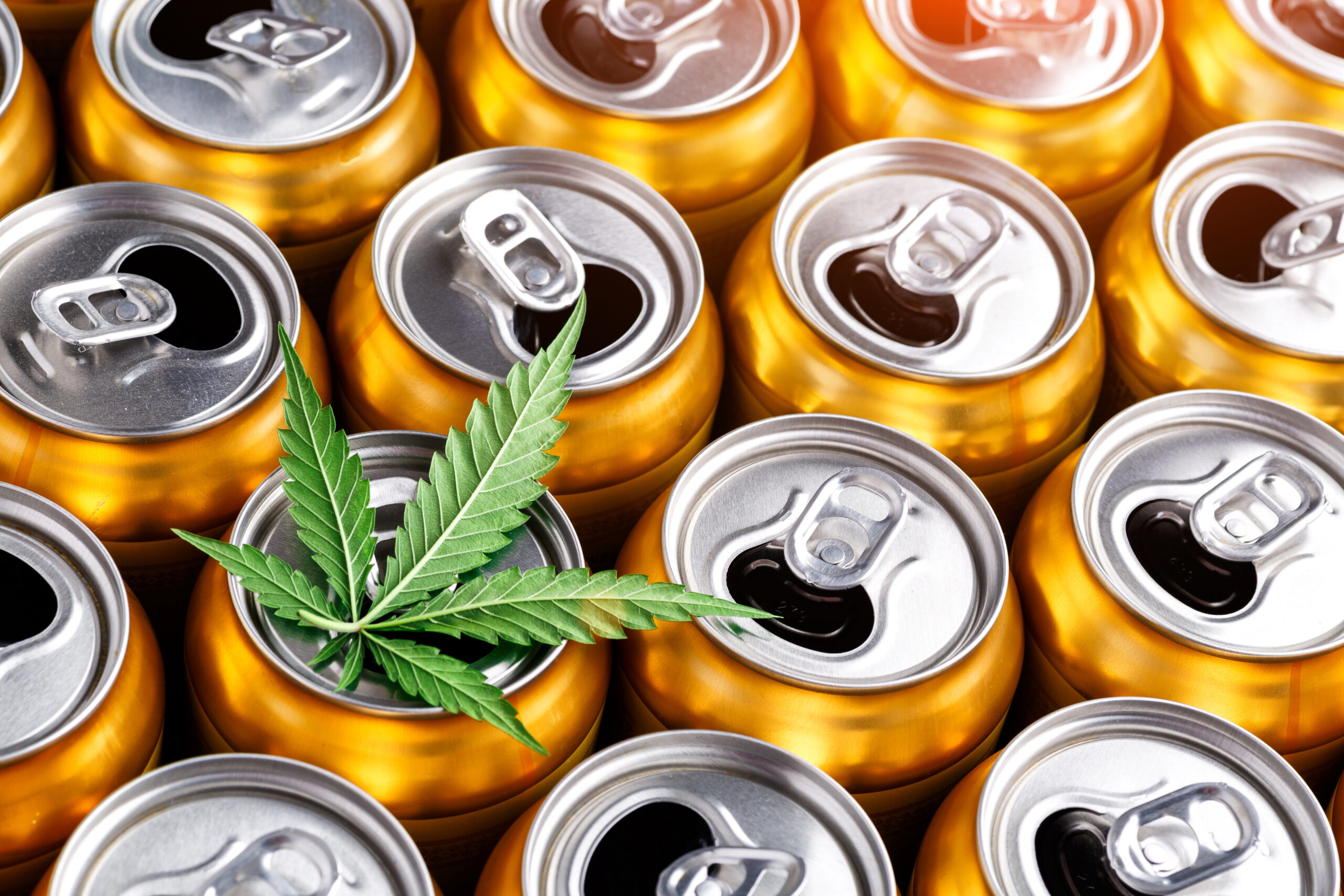
Unless you’ve been living under a rock, you know that “THC beverages” derived from hemp have exploded across America (at least in states where they are allowed by law). Time and again, due to the legal ambiguities and limitations posed by the 2018 Farm Bill, the THC beverage industry has advocated for regulation at both the state and federal levels. While certain states are eager to regulate this segment of the cannabis industry (see Minnesota, for example), others are not, and Congress has yet to take meaningful action on regulation.

Like many others, we were caught up in filing a slew of Minnesota adult use cannabis applications for our clients by March 14 (which, if you were paying attention, that deadline was extended to March 15 by midnight because of a crash with the Office of Cannabis Management (OCM) website). Every time a licensing window opens in a state with a new adult use cannabis program, there are lessons to be learned for clients, attorneys, and regulators, alike.

Cannabis companies of all sizes have likely come across the issue of having to pursue badly behaved accounts receivable. What was once a time of prosperity has now turned into a business climate of pessimism and regret where the extension of terms and promises to pay have been more than abused by retailers and distributors, alike. What should cannabis companies do when their initial reach outs for payment on the sale of cannabis goods or on the backs of their distribution and sales agreements go unanswered? This post is dedicated to those steps necessary for cannabis companies to try to make good on their bad deals and collection efforts.

In the past couple of weeks, I have been contacted by a few major news outlets about the legality of “THC beverages”. While it sounds like you can only find these products in a state-licensed cannabis dispensary, reporters are calling me about hemp-derived THC beverages that are cropping up for sale online and in major liquor stores across the country. Hemp-derived THC beverages are alcohol-free/non-alcoholic (“AF/NA”) drinks that are infused with delta-9 THC derived from hemp, usually along with other intoxicating cannabinoids, so that these beverages produce psychoactive effects without legally being dubbed “marijuana.”

How?

2024 was a primarily lean and flat year for the U.S. cannabis industry. The state-legal cannabis industry has been volatile from its inception, and 2024 represented a year of winnowing with many cannabis businesses failing. 2025 has some light on the horizon, though, with the prospect of the Drug Enforcement Administration’s (“DEA”) rescheduling of cannabis from Schedule I to Schedule III. Until that occurs though, you can expect that cannabis in 2025 will be just as rocky as in 2024. Rocky doesn’t mean unsuccessful though. There are still opportunities across the board for investors and business operators, from state-by-state expansion to purchasing cannabis assets for pennies on the dollar in some cases.

Based on a recent article in the Green Market Report (and corresponding public filings), “$1.83 billion of . . . debt is set to come due by 2026” for a number of publicly traded multi-state cannabis operators (“MSO”s). While this public cannabis company debt is not a pretty sight, it might be the tip of

The Minnesota Office of Cannabis Management (“OCM”) has begun issuing final denials to the overwhelming majority of previously qualified social equity applicants (“SEA”s) ahead of its first statewide cannabis lottery on December 2 for 280 available “preapproval” cannabis licenses.

America’s Dairyland does not currently have any form of either medical or adult-use cannabis. The state has tried and failed at least a couple of times on convening medical cannabis legislation (see here on the latest attempt earlier this year). At the same time, Wisconsin is surrounded by three states that have both medical and adult-use cannabis programs (Minnesota, Illinois, and Michigan), with Canada to the north, which legalized cannabis in 2018.